
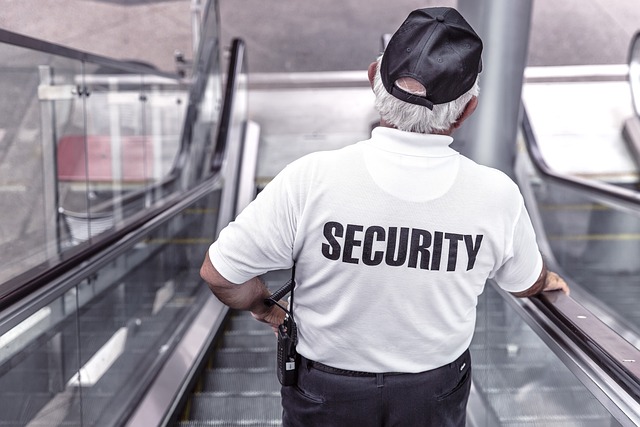
Security plays a necessary role in the retail environment, particularly in preventing loss from shoplifting. By employing skilled security guards, you can significantly enhance the safety and integrity of your store. These security guard professionals not only deter potential thieves but also create a reassuring atmosphere for your customers. Understanding how security guards operate can help you better utilize their services, ultimately leading to reduced theft and a healthier bottom line for your business.
Understanding Shoplifting
For anyone involved in retail, shoplifting represents a significant challenge that threatens your bottom line. It encompasses not only the theft of merchandise but also creates an environment of distrust and unease among customers and staff. Understanding the motivations behind this behavior is important for developing effective prevention strategies and safeguarding your business assets.
Common Techniques Used by Shoplifters
To effectively combat shoplifting, you must be aware of the common techniques employed by thieves. These tactics can range from concealing items in clothing or bags to distracting staff while an accomplice takes merchandise. By familiarizing yourself with these techniques, you can train your staff and enhance your security measures to better protect your store.
Impact of Shoplifting on Retail Businesses
Against the backdrop of retail operations, shoplifting imposes substantial financial strains. It leads not only to direct losses from stolen items but also incurs added costs in security measures, insurance, and employee training. Long-term, the effect of shoplifting can tarnish your store’s reputation and customer trust.
Understanding the impact of shoplifting on retail businesses is important for anyone in this industry. The financial losses can accumulate rapidly, ultimately affecting your profit margins. Beyond the immediate monetary costs, frequent shoplifting incidents can lead to inflated prices, which, in turn, can alienate loyal customers. Enhancing security measures and fostering a culture where customers feel valued can help mitigate these risks and preserve the integrity of your business.
The Role of Security Guards in Retail
One of the primary functions of security guards in retail settings is to serve as a physical and psychological presence that helps ensure a safe environment for both customers and employees. By monitoring store activities, they can identify suspicious behavior and intervene when necessary, thus safeguarding your merchandise and reducing instances of theft. Their training equips them not only to respond to incidents but also to implement preventive measures that create a secure retail atmosphere.
Responsibilities of Security Personnel
Personnel in retail security are tasked with multiple responsibilities that include monitoring store activity, conducting regular patrols, and ensuring compliance with store policies. They also play a role in training staff on theft prevention strategies and help resolve conflicts by de-escalating potential issues. Their vigilance protects your assets and enhances the shopping experience for patrons, building trust and safety in your retail space.
Presence and Visibility as a Deterrence
After recognizing the value of security personnel, you can appreciate how their visible presence serves as a deterrent to potential shoplifters. Knowing that a security guard is on-site often discourages individuals from attempting theft, as the risk of getting caught increases significantly.
Also, the strategic positioning of security guards throughout your store enhances visibility and reinforces the message that theft will not be tolerated. When individuals see security personnel actively monitoring the area, they are less likely to engage in dishonest behavior. This proactive approach not only protects your merchandise but also helps create a more inviting atmosphere for genuine customers, ultimately benefiting your business’s bottom line.
Techniques Employed by Security Guards
Assuming you own a retail store, it’s necessary to understand how security guards implement various techniques to minimize shoplifting. Their presence alone can deter potential thieves, while specific strategies enhance the store’s overall security. From surveillance to proactive customer interactions, these professionals are equipped with the skills to identify suspicious behavior and protect your assets effectively.
Surveillance and Monitoring
By utilizing advanced technology and cameras, security guards maintain a vigilant eye over the store. They monitor real-time footage, allowing them to identify and respond to potential theft incidents promptly. This proactive approach not only assists in catching shoplifters in the act but also helps create a general atmosphere of security that discourages theft.
Engaging with Customers
Employed to create a welcoming environment, security guards actively engage with customers as they browse your store. This engagement fosters positive relationships and assures shoppers that they are being observed. Such interaction encourages a sense of accountability among potential thieves, reducing the likelihood of shoplifting incidents occurring.
With guards actively interacting with customers, they help create an atmosphere of safety and comfort, which in turn promotes positive shopping experiences. By greeting patrons and offering assistance, security personnel facilitate a sense of bond, reducing the chances of theft. This approach not only enhances customer satisfaction but also serves as a deterrent to would-be shoplifters who recognize that their actions are being monitored by attentive staff.
Training and Skills of Security Guards
To effectively mitigate shoplifting, security guards undergo comprehensive training that equips them with vital skills. This training includes understanding retail operations, learning about various theft methods, and being aware of legal boundaries. By honing their abilities in surveillance, communication, and conflict resolution, these guards become an important line of defense against theft in retail environments.
De-escalation Techniques
Guards are trained in de-escalation techniques to manage potentially hostile situations. This involves using calm communication strategies and body language to diffuse tension. By addressing issues discreetly and respectfully, security staff can prevent situations from escalating, ensuring a safe shopping environment for customers and staff alike.
Awareness and Observation Skills
Between the relentless hustle and bustle of retail, your security guards’ awareness and observation skills play a significant role in preventing theft. With their keen ability to identify suspicious behavior, they can take proactive measures to deter potential shoplifters before they act.
Understanding the behavior patterns of customers allows security guards to spot unusual actions that could indicate shoplifting. They are trained to observe facial expressions, movements, and interactions within the store, making them vigilant watchdogs. This heightened vigilance not only aids in theft prevention but fosters a secure atmosphere that encourages honest shopping experiences. Your guards’ attention to detail can significantly lower theft incidents, ensuring your operations run smoothly.
Collaboration with Store Staff
Not only do security guards monitor for suspicious activity, but they also collaborate closely with store staff to create a more secure shopping environment. This teamwork fosters a sense of shared responsibility where both security personnel and employees actively engage in preventing theft. By working in tandem, you and your staff can effectively deter shoplifters and enhance overall store safety.
Communication Between Security and Employees
Below, you will find that effective communication between security guards and store employees is necessary in combating shoplifting. Regular briefings and updates help ensure that everyone is on the same page regarding potential threats and tactics employed by shoplifters. Open lines of communication allow your staff to report suspicious behavior promptly, empowering security to act decisively.
Building a Safety Culture in Retail
Store policies promoting a culture of safety and awareness can significantly decrease theft incidents. When you foster an environment where every team member is engaged in loss prevention, you create a vigilant workforce. This culture encourages employees to watch out for each other and the store’s assets, ultimately leading to reduced shoplifting and improved customer safety.
And as you prioritize safety in your retail space, consider organizing regular training sessions focused on theft prevention and safety protocols. Involving your entire team in discussions around security and encouraging them to share experiences can strengthen this culture of safety. This proactive approach not only reduces theft but also results in a more satisfied staff, as they feel empowered and valued in their roles. By cultivating such an environment, you ensure that everyone understands the importance of vigilance and teamwork in maintaining a secure shopping experience.
Case Studies: Successful Prevention of Shoplifting
Once again, the implementation of security measures has proven effective in reducing shoplifting incidents in retail environments. Here are some notable case studies that highlight successful prevention strategies:
- Retailer A saw a 25% reduction in shoplifting incidents after employing a dedicated security team.
- Retailer B reported a 40% decrease in theft within the first year of using surveillance technology alongside on-site guards.
- Retailer C increased loss prevention rates by 30% after integrating training programs for their staff focused on identifying suspicious behavior.
- Retailer D achieved a 15% rise in customer satisfaction while also halving their shrinkage rate post security guard deployment.
Notable Examples from Major Retailers
An increasing number of major retailers are sharing their successes in combating shoplifting through enhanced security measures. Companies like Target and Walmart have implemented comprehensive loss prevention programs, which include visible security officers, CCTV surveillance, and employee training to effectively deter theft and create a safer shopping environment.
Analyzing the Outcomes
Retailers that have adopted these security strategies not only see a decline in theft but often experience a more positive shopping atmosphere. Case studies show that enhanced security measures contribute to increased consumer confidence, resulting in higher sales and customer loyalty.
From analyzing these outcomes, you can observe that retailers with proactive security measures tend to have better overall performance metrics. By addressing theft directly, their sales figures often rise, thanks to improved customer trust and store reputation. Knowing these statistics can motivate you to prioritize similar strategies in your retail endeavor to safeguard profits effectively.
Summing up
To wrap up, employing security guards in your retail environment significantly enhances your ability to deter shoplifting. Their presence can create a sense of safety for your customers while simultaneously discouraging potential thieves. By actively monitoring store activity, engaging with shoppers, and providing a visible deterrent, security guards play a vital role in protecting your inventory and maintaining a positive shopping experience. Investing in professional security not only safeguards your assets but also promotes trust and confidence in your brand.


