
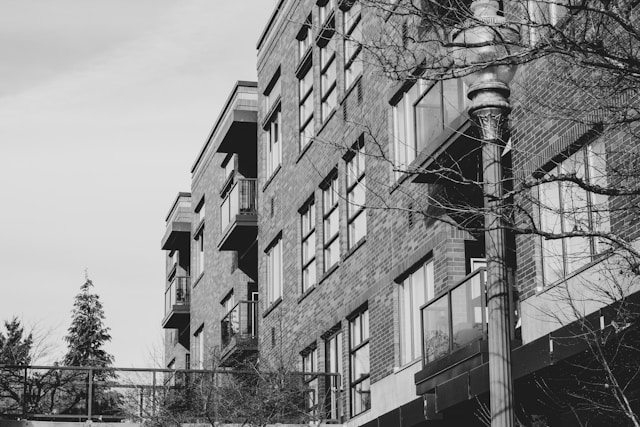
Seasonal maintenance is one of the simplest ways a strata corporation can reduce long-term repair costs, lower insurance risk, and prevent resident complaints. In Sea-to-Sky communities like Squamish and Whistler, buildings deal with heavy rainfall, snow events, temperature swings, and freeze/thaw cycles that can accelerate wear if maintenance is reactive instead of planned.
Below is a practical seasonal checklist strata councils can use to stay ahead of issues. It is not a substitute for professional inspections, but it will help you spot risk patterns early and coordinate work before small problems become expensive ones.
Spring: reset after winter
Spring is the best time to look for damage that winter weather may have caused and to prepare the building for warmer months. Key actions include:
• Walk exterior perimeters and check for drainage problems, pooling water, and downspout issues
• Inspect roofs and flashings where visible and note any damage after heavy snow or wind
• Review gutters and drainage channels for clogs and ensure water is directed away from the building
• Check balconies and walkways for cracking, membrane wear, and trip hazards
• Service pumps and mechanical systems as required
• Confirm landscaping plans and irrigation readiness (if applicable)
Summer: protect the envelope and plan projects
Summer is typically the most efficient time to schedule major work, especially anything related to building envelope protection. Focus on:
• Building envelope observations: caulking, seals, siding condition, and water entry points
• Window and door hardware checks for alignment and weather sealing
• Parkade and driveway maintenance: sweeping, minor patching, and line painting as needed
• Tree and vegetation management to prevent moisture retention against siding
• Scheduling and tendering for upcoming capital projects before contractor calendars fill up
Fall: prepare for storms and freezing conditions
Fall is all about preventing water and ice problems before they begin. Priorities include:
• Final gutter and roof drainage cleaning after leaf drop
• Confirming snow and ice service contracts, response timelines, and priority zones
• Testing exterior lighting for darker months and improving visibility in common areas
• Reviewing heating system servicing and confirming emergency contact procedures
• Inspecting exterior stairs, handrails, and walkways for slip risk
Winter: response readiness and risk reduction
Winter maintenance is where planning pays off. A few consistent systems can dramatically reduce incidents and costs:
• Monitoring snow load and clearing routes based on your contractor plan
• Ensuring sand/salt supplies and signage are ready for high-risk areas
• Watching for ice dams, leaks, and condensation issues
• Checking mechanical rooms for temperature stability and leak detection
• Documenting incidents promptly for insurance and safety reporting
Maintenance habits that keep costs predictable
A checklist is only useful if it is paired with consistent follow-through. Councils tend to get the best results when they:
• Use a shared maintenance calendar tied to vendor contracts and service intervals
• Keep clear records of repairs, inspections, and recurring problem areas
• Budget for preventive work before emergencies happen
• Communicate seasonal expectations to residents (parking during plowing, balcony storage, leak reporting)
Where professional strata management helps
Professional strata management supports councils by coordinating vendors, tracking maintenance schedules, organizing records, and improving continuity when council membership changes. That structure helps prevent the common cycle of deferred maintenance followed by emergency repairs and unexpected costs.
For local strata management support in the Sea-to-Sky corridor, these service pages provide helpful context:
A well-maintained building is not just safer and more comfortable—it is usually less expensive over time. Seasonal planning is one of the most practical ways to protect property value and reduce surprises for owners.