
Real estate decisions often involve much more than choosing a neighbourhood or comparing listing prices. Whether someone is buying a home, preparing to sell, or planning renovations, the condition of the property can have a major impact on future costs.
A home may look attractive during a showing, but important details can be easy to miss. Roofing, plumbing, heating systems, appliances, insulation, drainage, and maintenance history can all influence whether a property becomes a good investment or an expensive responsibility.
Here are several practical areas homeowners and buyers should review before making a major housing decision.
1. Look Beyond the Cosmetic Features
Fresh paint, modern furniture, and attractive lighting can make a home feel move-in ready, but appearance does not always reflect the actual condition of the property.
Pay attention to signs of underlying issues, including:
- Water stains on ceilings or walls
- Cracks around doors and windows
- Uneven flooring
- Musty odours
- Peeling paint near plumbing fixtures
- Condensation around windows
- Doors that do not close properly
These signs do not always indicate a serious problem, but they may justify a closer inspection.
Cosmetic updates are usually easier and less expensive to manage than structural, electrical, plumbing, or moisture-related repairs.
2. Understand the Age of Major Home Systems
Before buying a property, ask about the age of the roof, heating system, water heater, electrical panel, windows, plumbing, and major appliances.
Older systems are not necessarily defective, but they may be closer to the end of their expected service life.
A home with several older components may still be a good purchase, but the buyer should be prepared for future repair or replacement costs. Knowing what may need attention can also help with budgeting and negotiations.
Sellers should consider gathering maintenance records, warranties, and service invoices before listing the property. Clear documentation can give buyers more confidence and demonstrate that the home has been properly maintained.
3. Review Energy Efficiency
Energy efficiency can affect both comfort and monthly ownership costs.
Older windows, poor insulation, air leaks, and inefficient heating equipment may lead to higher utility bills. During a showing, look for noticeable drafts, rooms that feel unusually warm or cold, and windows with visible condensation.
Homeowners can also review energy-efficiency guidance from Natural Resources Canada when planning improvements.
Upgrades such as sealing air leaks, adding insulation, installing a programmable thermostat, and replacing inefficient lighting may be less expensive than major renovations while still improving the comfort and operating cost of the home.
4. Check How the Appliances Were Installed
The condition of an appliance matters, but so does the way it was installed. Even a relatively new appliance can develop problems when it is not level, lacks proper airflow, uses an old water hose, or has an incorrect drain or vent connection.
When viewing a home, check whether the refrigerator has enough clearance, the washing machine sits firmly without rocking, and the dryer vent appears secure and unobstructed. Look beneath dishwashers and around laundry appliances for moisture, staining, damaged flooring, or signs of previous leaks.
Homebuyers who plan to replace appliances after moving should also review this practical appliance installation checklist for homeowners. It covers commonly missed details such as measuring access routes, checking electrical requirements, using new water hoses, confirming drainage, leaving proper airflow, and removing shipping bolts.
These small installation details can help prevent water damage, poor performance, excessive noise, and avoidable appliance repairs after moving into the property.
5. Consider the True Cost of Renovations
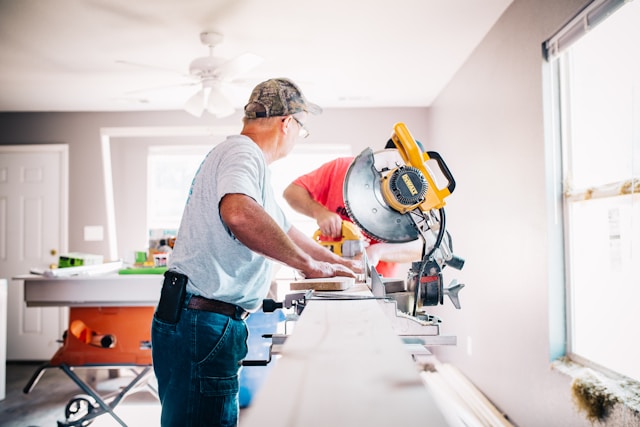
Renovations can improve a home, but project costs often extend beyond materials and labour.
Depending on the work, homeowners may also need to account for:
- Design or drafting fees
- Building permits
- Inspections
- Waste removal
- Temporary accommodations
- Electrical or plumbing upgrades
- Repairs discovered after demolition
- New appliances or fixtures
- Finishing work
It is wise to include a contingency amount in the renovation budget. Older homes can contain hidden conditions that are not visible until walls, floors, or cabinets are removed.
Before starting, determine whether the renovation is intended to improve daily living, increase resale value, or achieve both. This can help homeowners prioritize the improvements that provide the greatest practical benefit.
6. Inspect Water and Drainage Areas Carefully
Water-related problems can become some of the most expensive issues in a home.
Inspect basements, bathrooms, kitchens, laundry rooms, and areas near exterior walls. Look for stains, warped materials, mould, damaged caulking, and signs of previous repairs.
Outside the property, check whether the ground slopes away from the home and whether gutters and downspouts appear to direct water properly.
A small leak may be simple to repair, but long-term moisture can damage flooring, cabinets, drywall, insulation, and structural materials.
Pay particular attention to water connections around dishwashers, refrigerators, and washing machines. A slow leak may remain unnoticed for a long time when it occurs behind or beneath an appliance.
7. Think About Ongoing Maintenance Costs
The purchase price is only one part of the cost of owning a home.
Larger properties, older homes, swimming pools, extensive landscaping, and specialized systems may require more regular maintenance.
Common ongoing expenses include:
- Heating and cooling
- Property taxes
- Home insurance
- Appliance maintenance and repairs
- Lawn and exterior care
- Plumbing repairs
- Pest control
- Roof and gutter maintenance
- Seasonal servicing
Before purchasing, estimate the monthly and annual costs of operating the property. This can provide a more realistic picture of affordability than the mortgage payment alone.
A home that appears less expensive initially may cost more over time if it requires frequent repairs or has inefficient systems.
8. Prepare the Home Properly Before Selling
Homeowners preparing to sell often focus on staging, but basic maintenance and repairs can be just as important.
Before listing the property:
- Repair visible leaks
- Replace damaged caulking
- Clean appliances thoroughly
- Fix loose handles and doors
- Replace burned-out lights
- Address noticeable odours
- Clean vents and filters
- Test major appliances
- Organize maintenance records
Buyers may become cautious when they notice several small problems, even when each one is inexpensive to correct.
A clean, functional, and well-maintained home can create a stronger first impression than cosmetic upgrades alone. Making small repairs before the listing goes live may also reduce objections during the inspection and negotiation process.
Make Decisions Based on the Whole Property
Buying, selling, and renovating a home all require careful planning.
A property should be evaluated based on more than its appearance or listing price. Major systems, energy efficiency, appliance installation, moisture, maintenance history, and future operating costs all contribute to its real value.
Taking the time to review these areas can help homeowners avoid unexpected expenses, protect the property, and make more confident real estate decisions.


